
- Whatsapp at: +91 9920969226
- OPD Hours: Mon-Sat: 9:00am-9:00pm
Hysterectomy
Hysterectomy is surgical removal of the uterus. Based on the type and reasons of hysterectomy performed, associated organs such as the fallopian tubes, ovaries and cervix may also be removed at the same time. It is essential for a woman to be aware that a hysterectomy is a major surgery and should not necessarily be considered the primary solution for heavy menstrual bleeding. A hysterectomy should be undertaken only by women for whom more conservative treatment options have not worked, who have a complete family and who understand the risk involved with this type of major procedure.
Uterine leiomyomata or fibroid are the most common reason for hysterectomy, accounting for approximately 30% of indication for this procedure. Approximately 20% to 30% of hysterectomies are performed with DUB as the primary indication. Hysterectomy is not indicated unless the bleeding is recurrent, severe and unresponsive to hormonal therapy and D&C on several occaasions.
Expert Services

Pregnancy Care
Pregnancy care consists of prenatal (before birth) and postpartum (after birth)....
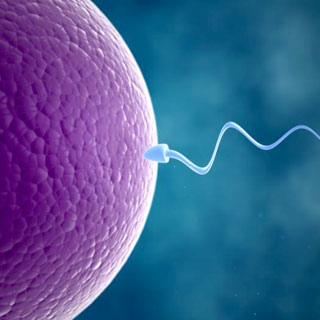
Infertility Treatment
In today’s lifestyle stress has increased so much that infertility has become....

Menstrual Irregularity Treatment
Menstrual disorders are a class of problems affecting a woman’s monthly ....

Prenatal & Postnatal Counselling
Prenatal and post natal counseling is a vital aspect of pregnancy care....