- Whatsapp at: +91 9920969226
- OPD Hours: Mon-Sat: 9:00am-9:00pm
Cardiac Valvular Procedures
There are four cardiac valves: tricuspid, pulmonary, mitral, and aortic. These structures let blood flow smoothly through the chambers of the heart, opening and closing as the heart beats. The valves open to let blood into a chamber and close tightly to prevent the backward flow of blood. The “lub-dub” sound of a heartbeat is made as the valves close.
Damage from a heart attack, infection, or the aging process may cause the valves to stop functioning properly. A scarred or thickened valve (stenosis) may not open fully, increasing the heart’s workload as it attempts to push the blood through a tight, restrictive valve. Another valve problem occurs when the valve does not close completely and blood is allowed to flow backwards. This is called insufficiency or regurgitation.
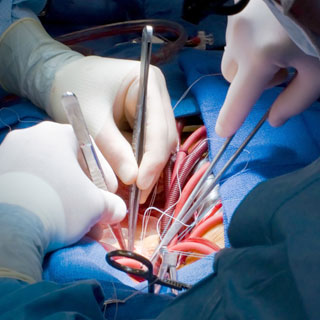
Operations to repair or replace poorly functioning heart valves are common procedures. In valve replacement, the surgeon decides whether a tissue valve or a mechanical valve would best correct the problem.